Ask any long-term resident, economist, or even a taxi driver in Tokyo what keeps them up at night, and you'll hear a common thread woven through different answers: the people are disappearing. Japan's most profound and intractable problem isn't a temporary economic slump or a political scandal. It's a slow-motion demographic shift that's reshaping the nation's foundation. The core issue is a rapidly aging and shrinking population, a crisis that acts as a root cause for a cascade of other problems—from empty towns and labor shortages to a strained social security system and a pervasive sense of social isolation. I've seen its fingerprints everywhere, from the convenience stores staffed by septuagenarians to the silent, shuttered shotengai (shopping streets) in regional cities.
What You'll Find in This Article
The Core Issue: More Than Just Low Birth Rates
Everyone knows Japan has a low birth rate. But framing it solely as "people not having enough babies" misses the brutal arithmetic and the human story behind it. It's a dual-force problem: fewer children are born each year, while the largest segment of the population—the post-war baby boomers—is entering its 80s and 90s. The National Institute of Population and Social Security Research projects the population will fall from 125 million today to under 88 million by 2065. More startling is the age composition. Already, over 29% of Japanese are 65 or older. By 2040, that's expected to reach one in three people.
I remember chatting with a shop owner in a rural part of Shimane prefecture. His biggest worry wasn't competition or rent. "In ten years," he said, gesturing down the quiet street, "half my customers will be gone. Not to another shop. Gone." This isn't an abstract statistic; it's a daily, visible countdown.
The Labor Shortage Reality Check
This is where the demographic crisis stops being a future concern and becomes a present-day operational nightmare. With a shrinking working-age population (15-64), there simply aren't enough people to fill the jobs.
Where You See It Every Day
Service Industry: It's no longer unusual to see staff in their 70s and 80s at convenience stores, cleaning hotels, or directing traffic at construction sites. Businesses are kept afloat by an aging workforce postponing retirement because their pensions are insufficient.
Skilled Trades: The shortage of carpenters, plumbers, and electricians is acute. I tried to renovate a small apartment in Osaka, and the wait for a reliable contractor was over six months. Their books are full because there are too few successors for retiring masters.
Healthcare: This is the most critical shortage. The system needs more nurses and caregivers precisely when demand from the elderly is exploding. It creates a vicious cycle of overwork, burnout, and further staff attrition.
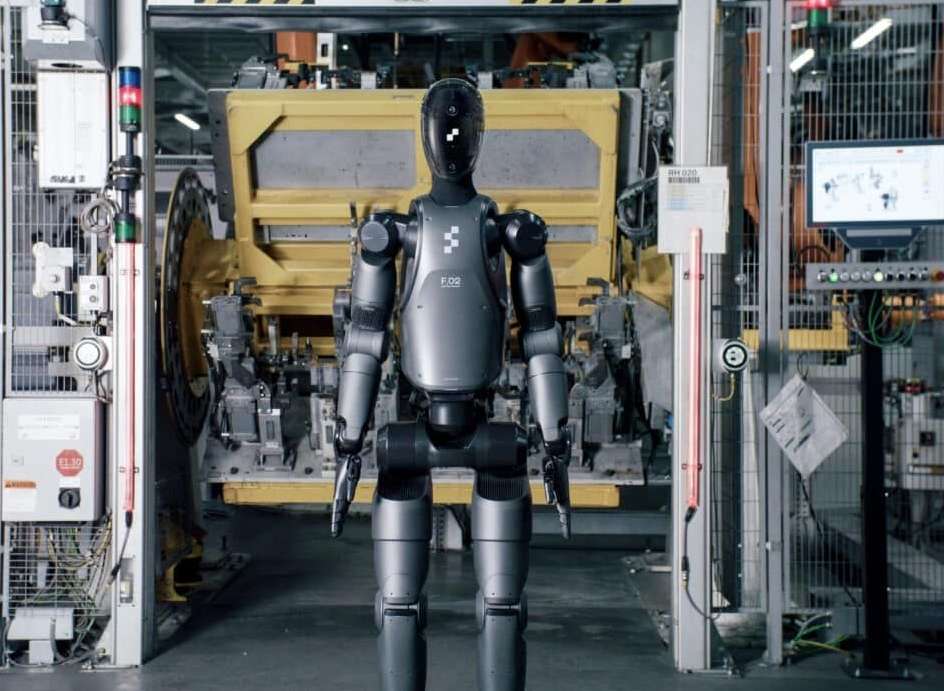
The Non-Consensus View: Many point to robotics and AI as the savior. Having visited high-tech nursing care expos, I can tell you the reality is messy. A robot might help lift a patient, but it can't provide the nuanced emotional comfort a human caregiver can. The tech solution is a partial fix at best, and it's expensive. The deeper issue is designing an economy and society that can function with far fewer human hands.
The Fiscal Time Bomb: Pensions and Healthcare
The math of social security is terrifyingly simple. The system is a pay-as-you-go model, where today's workers pay for today's retirees. With fewer workers supporting more retirees, the strain is unsustainable.
- Pension Payouts: The government is already dipping heavily into general tax revenues to cover pension obligations. The Ministry of Health, Labour and Welfare's reports show this reliance growing yearly. For the average person, this translates into anxiety about whether their pension will exist when they retire, leading many to work longer.
- Healthcare Costs: Elderly care is expensive. Long-term care insurance (kaigo hoken) premiums keep rising, and the co-payments for services are increasing. Families face immense financial and emotional stress, a topic rarely discussed in polite company but a constant undercurrent in daily life.
The government's debt-to-GDP ratio, the highest in the developed world, is directly linked to this demographic burden. It's a fiscal trap with no easy exit.
The Silent Epidemic: Kodokushi and Social Isolation
Beyond economics, the most heartbreaking consequence is the wave of loneliness. Kodokushi (孤独死), or "lonely death," where people die alone and remain undiscovered for days or weeks, is a recognized social phenomenon. It's a stark symbol of the breakdown of traditional family and community structures, accelerated by the demographic squeeze.
Smaller families, children moving to cities for work, and neighborhoods where elderly residents are the majority create ecosystems of isolation. Municipalities struggle to perform routine welfare checks. This isn't just about death; it's about living a life of profound disconnection. I've volunteered with local chonaikai (neighborhood associations) that now have formal "watch lists" for elderly living alone—a practical, grim response to a societal failure.
The Hollowing Out of Regions
Tokyo keeps growing, sucking in the young from the rest of the country. The result is the rapid depopulation of rural towns and smaller cities. You can find entire districts of empty, decaying houses (akiya). Schools close for lack of children. Bus routes are canceled. The tax base evaporates, leaving local governments bankrupt and unable to provide basic services.
Visiting places like parts of Hokkaido or the Japan Sea coast feels surreal. Beautiful landscapes, pristine infrastructure, and... silence. The government's chiho sosei (regional revitalization) policies throw money at the problem, but without people, especially young families, it's like trying to fill a bathtub with the drain open. The solution requires making life outside Tokyo not just viable but attractive—a monumental cultural and economic shift.
Are There Any Real Solutions?
There's no magic bullet, only a portfolio of difficult, partial measures. The debate typically centers on three pillars, each with significant hurdles.
| Potential Solution | How It Could Help | The Major Hurdle (The Devil in the Details) |
|---|---|---|
| Raise the Birth Rate | More children = future workers and taxpayers. Addresses the root cause. | Deeply structural. Requires affordable childcare, housing, and a shift in punishing corporate work culture that makes child-rearing, especially for women, a career penalty. Cash handouts haven't worked. |
| Increase Female Labor Participation | Utilizes an under-tapped talent pool. More workers boost the economy and tax base. | Japan has high participation, but many women are stuck in part-time, low-wage roles. The real need is to shatter the "glass ceiling" and change societal expectations around domestic duties and childcare, which still fall disproportionately on women. |
| Controlled Immigration | Immediately adds working-age population. Can fill critical gaps in care, construction, and tech. | Japan has been cautiously opening doors (via the Specified Skilled Worker visa, etc.), but public sentiment and systems for integration remain huge barriers. The goal is often seen as "workers," not "future citizens," which limits long-term impact. |
The most likely future is a messy combination of all three, progressing slower than the demographic decline demands. Success won't look like a population rebound, but rather a managed, graceful adaptation to a smaller national scale.
Your Questions on Japan's Demographic Crisis
Is Japan's population decline reversible, or is it a done deal?
For all practical purposes, it's a done deal for the next several decades. Even if the birth rate magically jumped to replacement level tomorrow, the demographic momentum of the existing aging population means decline is locked in. The focus has shifted from "reversal" to "mitigation" and "adaptation." The real question isn't how to stop it, but how to build a functional, prosperous society with 20% fewer people.
Why don't young Japanese people want to have more children?
It's not a simple lack of desire. From conversations with friends and colleagues in their 30s, the calculus is brutally economic and social. Stable, well-paying full-time jobs are harder to get. Urban housing is cramped and expensive. If a woman takes years off for childcare, her career is often derailed permanently. The corporate culture of long hours makes shared parenting nearly impossible. Having a child feels less like a joy and more like a high-risk economic decision. The government's support, while increasing, is still seen as too little, too late, and doesn't address these core lifestyle constraints.
Can immigration really solve Japan's labor shortage?
It can plug specific, critical holes, but it's not a wholesale solution under the current framework. The system often brings people in on temporary visas for specific, difficult jobs (like elderly care or food processing), with limited pathways to permanent residency or citizenship. This creates a transient workforce without roots. For immigration to have a transformative demographic impact, Japan would need to openly embrace multiculturalism and create clear, welcoming pathways for immigrants to settle, bring families, and become integrated citizens—a profound identity shift the nation is still wrestling with.
What's the one thing most analysts miss about this crisis?
The erosion of social capital and local knowledge. It's not just about missing workers. It's about missing the middle-aged community leaders, the volunteers for local festivals, the people who know how to maintain the intricate irrigation systems in rice villages. As regions hollow out, centuries of tacit knowledge about land, community, and tradition disappear with the older generation. The loss is cultural and ecological, not just economic. Recovery, if possible, would require not just new people, but the transfer of a dying way of life—something policy can't easily buy or mandate.
This analysis is based on long-term observation, discussions with residents across multiple prefectures, and review of ongoing demographic reports from Japanese government agencies.